
laminated glass cut to size
Understanding Morse Taper Gauges Morse taper gauges play a crucial role in the fields of machining and tool making, facilitating accurate measurements and enabling seamless connections between various components. The Morse taper is a type of taper used for connecting cutting tools or attachments to a machine, such as a lathe or drill press. Its design ensures a tight, self-locking fit, which is essential for precision work. Understanding Morse Taper Gauges To use a Morse taper gauge effectively, one must first understand the importance of precision in machining. A slight deviation in size or angle can lead to errors and inefficiencies in the final output. Therefore, the use of a Morse taper gauge is essential for ensuring that tools fit perfectly into their respective sockets, maintaining stability during operations. morse taper gauge Typically made from durable materials such as steel or aluminum, Morse taper gauges are designed to measure the taper accurately. They can indicate whether the Morse taper is within acceptable tolerances, helping machinists confirm that their tools are suitable for use. When selecting a Morse taper gauge, it is vital to choose one that matches the specific size and type of taper being measured. In addition to measuring the size of a Morse taper, these gauges can also aid in inspecting the condition of the taper. Over time, wear and tear can affect the precision of the fit, leading to vibrations or inaccuracies during machining. Regular inspection using a Morse taper gauge can help identify issues before they escalate, allowing for timely maintenance or replacements. In conclusion, Morse taper gauges are essential instruments for machinists and toolmakers. They ensure that tools fit securely and accurately into machines, promoting efficiency and precision in the manufacturing process. Understanding how to use these gauges can significantly enhance the overall quality of work in machining applications, making them an indispensable asset in any workshop.
about
laminated glass cut to size
The Versatility of 48% Butterfly Valves in Modern IndustriesButterfly valves are essential components in various industries, serving as a reliable mechanism for regulating fluid flow. Among the many designs available, the 48% butterfly valve stands out due to its unique functionality and efficiency. This valve type has gained a reputation for its innovative design, allowing for precise control while minimizing space requirements and energy consumption.The butterfly valve operates using a rotating disc that is mounted on a central shaft. When the valve is turned, the disc rotates to either open or close the flow of fluid. The 48% designation refers to the valve's design specification, indicating a 48% opening angle, which is crucial for achieving optimal flow rates and reducing pressure drops within the system. This precise angle provides an excellent balance between performance and control, making it ideal for applications requiring adjustable flow rates.One significant advantage of the 48% butterfly valve is its lightweight construction, which allows for easy installation and maintenance. Made from various materials, including stainless steel and plastic, these valves are corrosion-resistant and suitable for handling different types of fluids, including water, oil, and chemical substances. Their compact design also means they require less space compared to other types of valves, making them an ideal choice for facilities with limited room.In addition to their physical attributes, 48% butterfly valves are noted for their energy efficiency. The streamlined design reduces turbulence and minimizes energy loss during fluid passage, resulting in lower operational costs for industries such as water treatment, oil and gas, and food processing. The rapid closure capability of the valve further contributes to its efficiency, preventing backflow and ensuring systems operate smoothly.Moreover, the versatility of the 48% butterfly valve makes it suitable for various applications, from handling high-viscosity liquids to controlling gas flows in HVAC systems. The valve's reliability and ease of maintenance mean that industries can reduce downtime and extend the life of their equipment.In conclusion, the 48% butterfly valve is a vital component in modern industry, combining efficiency, durability, and versatility. As industries continue to seek solutions that promote sustainability and cost-effectiveness, the role of this innovative valve becomes increasingly significant, making it a preferred choice for fluid control applications worldwide. 48 butterfly valve .
-

High quality industrial productsagement

High quality industrial products
View Details -

Meet the diverse needs of customers

Meet the diverse needs of customers
View Details -

Strict quality control

Strict quality control
View Details -

Top raw materials

Top raw materials
View Details -

Trusted supplier

Trusted supplier
View Details
Our application


news and information
Valve Types for Industrial Applications
As a wholesaler in the industrial equipment sector, understanding the diverse valve types available
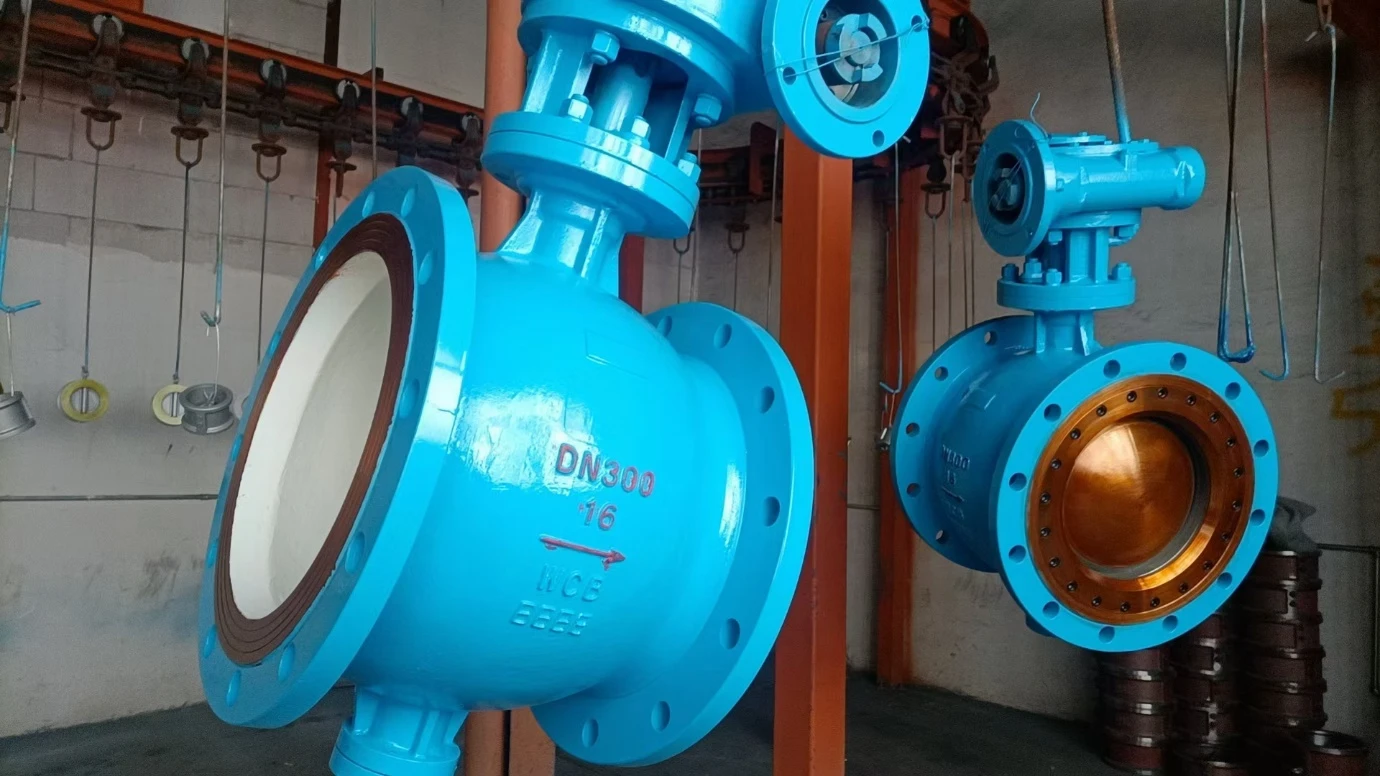
valvola di ritegno non slam
Valvole di Non Ritorno Un'Analisi Approfondita Le valvole di non ritorno, conosciute anche come valv
Y Type Strainer Function
In the world of fluid mechanics and piping systems, maintaining the efficiency and longevity of equi
 English